

Get the Grind
Right
Grind size is the single variable that changes everything. The same beans, the same ratio, the same temperature — but the wrong grind and the cup fails every time.
From Powder to Pebbles
Seven distinct grind levels, each matched to a specific brewing method.
Every Grind Level Explained
Grind size controls how fast water flows through the bed and how much surface area is exposed. Here's exactly what each level produces.
Extra Fine
The finest grind possible — almost like flour or powdered sugar. Water passes through almost instantly, extracting very intensely. Only one method uses this grind.
Fine
Like fine table salt. Espresso requires this level so that 9 bars of pressure can force water through the puck in exactly 25–30 seconds. Moka pot also benefits from a fine grind.
Medium-Fine
Slightly coarser than espresso grind, like fine beach sand. This is the sweet spot for pour-over methods that need controlled flow, and for AeroPress when brewing with a longer steep time.
Medium
Like regular beach sand — not too fine, not too coarse. This is the default grind for most drip coffee makers and produces a balanced, clean cup with good clarity.
Medium-Coarse
Slightly coarser than medium — like rough, gritty sand. Chemex uses extra-thick filters that slow flow, so a coarser grind is needed to prevent over-extraction. Clever Dripper works well here too.
Coarse
Like coarse sea salt or raw sugar crystals. French press requires this coarse grind so the metal mesh plunger can press cleanly without fine particles slipping through.
Extra Coarse
The coarsest grind — like cracked peppercorns or very coarse sea salt. Cold brew needs this because the long steep time (12–18 hours) does the work that heat normally does. Fine grounds in cold brew produce a muddy, bitter concentrate.
Diagnose Your Cup
If your coffee tastes off, the grind is almost always the culprit. Adjust one step at a time and re-brew.
Tastes Sour or Weak
Your coffee is under-extracted. The water is flowing too fast and not pulling enough flavour from the grounds.
→ Grind finer, one step at a timeTastes Bitter or Harsh
Your coffee is over-extracted. The water is moving too slowly and extracting unpleasant compounds from the grounds.
→ Grind coarser, one step at a timeTastes Flat or Hollow
Your coffee lacks sweetness and complexity. The grind may be right but the beans are likely stale — past their optimal window.
→ Use fresher beans, roasted within 3 weeksBalanced, Sweet & Complex
You've dialled it in. Your grind size, ratio, and temperature are working together perfectly.
→ Keep this grind and document your recipeThree Rules of Grinding
Follow these and every brew improves immediately — regardless of which method you use.
Use a Burr Grinder
Burr grinders crush beans between two rotating surfaces, producing a uniform, consistent grind. Blade grinders chop randomly — the result is a mix of powder and chunks that extracts unevenly and ruins the cup.
Grind Fresh, Every Time
Ground coffee goes stale within 15–30 minutes of grinding. Whole beans last weeks in an airtight container. Grind immediately before brewing — not the night before, not an hour before. Right before.
Adjust One Step at a Time
When dialling in, change your grind by one click and re-brew before changing anything else. Changing multiple variables at once makes it impossible to know what fixed the problem — or created a new one.
Coffee That Grinds Beautifully
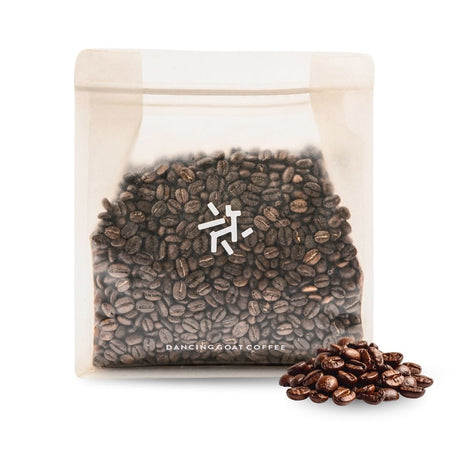
Freshly roasted whole beans — grind them yourself for the freshest possible cup.
Now Learn the Full Method
Grind is just one variable. Explore our full brewing guides to master ratio, temperature, technique, and more.