

Master
Your Brew
Great coffee isn't made by accident. Learn the science, technique, and ritual behind every method — and taste the difference in every single cup.
The Difference Is in the Details
Specialty coffee is grown to taste extraordinary. But even the finest bean can be ruined by the wrong temperature, grind, or technique. These guides close the gap.
Temperature
Water between 91–96°C extracts the full flavour spectrum. Too hot scorches delicate compounds; too cool leaves them behind.
Ratio
A 1:15 coffee-to-water ratio is the specialty standard. Small deviations produce radically different results — always weigh your ingredients.
Time
Extraction time controls how much flavour is pulled from the bean. Under-extract and it's sour; over-extract and it's bitter.
Choose Your Brew Method
Select a brewing method to open the full guide — technique, ratios, pro tips, and recommended coffees.
The purist's pour. Clean filtration and total control over every variable.
Immersion brewing that preserves every oil and produces a heavier, more tactile cup.
Pressure extraction in under 30 seconds. The foundation of every milk drink.
The traveller's favourite. Pressure + immersion in one compact device.
Thick filters remove almost all oils, producing an exceptionally clear cup.
Your daily driver. Consistent results with minimal effort when done right.
Cold water, long steep, exceptional patience. Naturally sweet without bitterness.
A classic stovetop brewer that delivers a rich, full-bodied, espresso-like cup.
V60 Pour-Over Guide
The V60 rewards patience and precision. Its spiral ribs and single large hole allow near-total control over flow rate and extraction — making it the gold standard for highlighting single-origin character.
Boil & rest
Boil filtered water and let it cool to 93–96°C — about 30 seconds off the boil.
Rinse the filter
Place a paper filter in the V60, rinse with hot water to eliminate papery taste. Discard rinse water.
Grind & dose
Grind 15g to medium-fine. Add to filter and create a small well in the centre.
Bloom (0:00–0:45)
Pour 30ml in slow circles covering all grounds. Wait 30–45 seconds as CO₂ releases. Bigger bloom = fresher beans.
Pour in stages (0:45–3:00)
Continue pouring in slow, steady spirals. Keep water level between half and three-quarters full. Total: 250ml.
Finish & enjoy
Drawdown should complete at 3:00–3:30. A flat bed of grounds means even extraction.
Swirl gently after the bloom to settle grounds evenly for a more consistent extraction.
Too fast (under 2:30)? Grind finer. Too slow (over 4:00)? Grind coarser. Adjust 1 step at a time.
Pouring too fast and drowning the grounds — maintain a slow, steady spiral pour throughout.
Skipping the filter rinse. Paper taste is subtle but real — it will dull every sip.
Recommended Coffees
French Press Guide
Metal mesh allows oils and fine particles through, producing a cup with richness and body that paper filters simply remove. Perfect for house blends and bold single origins.
Preheat
Rinse the French press with boiling water to preheat. Keeps your brew temperature stable throughout.
Grind coarse
Grind 30g coarsely — like raw sugar. Too fine and the plunger won't push; fines slip through the mesh.
Add coffee & pour
Add grounds, then pour 450ml of 94–96°C water over all grounds evenly.
Stir & steep
Stir gently. Place lid on (plunger up). Steep for exactly 4 minutes.
Press slowly
Apply slow, even pressure. Take at least 20–30 seconds. Rushing creates turbulence and bitterness.
Pour & drink immediately
Pour into cups right away. Leaving coffee in the press continues extraction and turns it bitter.
After steeping, skim the floating crust before pressing for a cleaner, less gritty cup.
Grinding too fine. French press requires coarse grind — finer grinds create a gritty, muddy cup.
Recommended Coffees
Espresso Guide
9 bars of pressure force through finely ground coffee in 25–30 seconds, producing a concentrated, viscous shot with golden crema. Espresso rewards precision more than any other method.
Flush & preheat
Run a blank shot to flush stale water and preheat the portafilter and group head.
Dose & distribute
Grind 18g fine into the portafilter. Distribute evenly using a finger or distribution tool.
Tamp level
Apply firm, level pressure — approximately 15kg force. A crooked tamp causes channelling.
Extract 36g in 25–30 sec
Lock in, start shot. Pull 36g yield (1:2 ratio). Stop when you hit target weight — time every shot.
Taste & dial in
Sour? Grind finer or extend time. Bitter? Grind coarser or shorten. Dial in is the craft.
Always weigh your output. Time without weight measurement is meaningless — ratios are everything in espresso.
Uneven tamping. A crooked tamp is the single biggest cause of channelling in home espresso.
Recommended Coffees
AeroPress Guide
The most forgiving and versatile brewer in existence. Lower water temperature and gentle pressure produce a smooth, low-acid cup that suits a wide range of beans and roast levels.
Set up inverted
Place AeroPress upside down, plunger inserted about 1cm. Prevents dripping during steep.
Bloom
Add 15g of medium-fine coffee. Pour 30ml of 90°C water, stir 3 times, wait 30 seconds.
Fill & steep
Add remaining water to 180ml. Stir gently. Steep for 90 seconds.
Attach, flip & press
Wet filter cap, lock it on. Flip confidently onto cup. Press slowly for 20–30 seconds. Stop at hiss.
Use cooler water (80–85°C) for light roasts — reduces acidity and highlights sweetness beautifully.
Pressing too hard or fast — gentle, steady pressure produces the cleanest, most consistent cup.
Recommended Coffees
Chemex Guide
Thick, bonded filters remove almost all oils and sediment, producing one of the cleanest, sweetest, most transparent cups in coffee. Ideal for showcasing light roasts and delicate single origins.
Fold & rinse filter
Fold Chemex filter with three layers on the spout side. Rinse thoroughly, discard rinse water.
Grind medium-coarse
Grind 30g slightly coarser than V60. Chemex filters slow flow — finer grinds cause over-extraction.
Bloom 45 seconds
Pour 60ml of water in slow circles. Wait 45 seconds — Chemex benefits from a longer bloom.
Pour in waves
Pour remaining water in 3–4 additions, each time the level drops by a third. Keep it gentle and slow.
Finish at 4:00–4:30
Drawdown finishes around 4:00–4:30. Remove filter. Chemex glass keeps coffee warm naturally.
The Chemex shines with light-roast single origins — its clarity reveals floral and fruit notes invisible in other methods.
Using a regular paper filter. Chemex filters are 20–30% thicker — using wrong filter changes the entire extraction.
Recommended Coffees
Drip Machine Guide
When used correctly — fresh beans, proper grind, filtered water — the drip machine produces consistently excellent everyday coffee. Most people under-dose and under-heat. Fix those two things and everything changes.
Use filtered water
Fill the reservoir with filtered water only. Tap water minerals vary widely and directly affect taste.
Rinse the filter
Even in drip machines, rinsing the paper filter eliminates paper taste most people don't realise is there.
Weigh your dose
Use 30g per 480ml. Most machines underdose by default — more coffee equals better extraction, not more bitterness.
Brew & pour immediately
Run the cycle. Pour into cups straight away — a hot plate continues cooking coffee and ruins it within 20 minutes.
If your machine doesn't hit 90°C, it's the single biggest factor limiting your cup quality.
Leaving coffee on the hot plate. This scorches the coffee and produces bitter, stale-tasting results.
Recommended Coffees
Cold Brew Guide
Cold brew uses time instead of heat. The result is a naturally sweet, low-acid concentrate — smooth enough to drink over ice without milk, complex enough to reveal origin notes most hot methods miss.
Grind extra coarse
Grind 100g to the texture of raw sugar. Fine grounds produce bitter, muddy cold brew.
Combine & stir
Add grounds to a large mason jar. Pour 800ml of cold, filtered water. Stir until all grounds are saturated.
Refrigerate 12–18 hours
Seal and place in fridge. 12 hours = lighter, sweeter. 18 hours = fuller, more intense. Don't exceed 24 hours.
Strain twice
Strain through fine mesh, then through paper filter or cheesecloth for a smooth, clean concentrate.
Dilute & serve
Dilute 1:1 with water or milk. Keeps refrigerated up to 2 weeks.
Use a medium-dark roast — cold brew's low-acid extraction suits bolder, chocolatey beans best.
Steeping at room temperature. Always refrigerate — room temp speeds extraction unpredictably and risks spoiling.
Recommended Coffees
Moka Pot Guide
A classic stovetop brewing method that produces a rich, full-bodied cup with an espresso-like character.
Fill the base
Fill the bottom chamber with hot water up to the safety valve.
Add the coffee
Fill the basket with medium-fine coffee without tamping.
Assemble & heat
Assemble the brewer and place it over medium heat.
Watch for the sputter
Remove from heat once the coffee begins to sputter.
Stir & serve
Stir and serve immediately.
Start with hot water in the base so the coffee heats quickly and avoids a stewed, bitter taste.
Pull it off the heat the moment it starts to sputter and gurgle — that's your cue it's done.
Tamping the grounds. A moka pot needs a loose, level bed so water passes through evenly.
Leaving it on the heat too long, which scorches the coffee and turns it bitter.
Dial in Your Perfect Ratio
Select your brew method and coffee dose to instantly see the correct water amount for a balanced cup.
Brewing Calculator
Specialty standard: 1g coffee per 15ml water
Get the Grind Right
Grind size controls extraction speed. Use this reference to dial in the right grind — and always use a burr grinder for consistent results.
Moka Pot
AeroPress
Siphon
Clever
Percolator
Six Variables That Define Your Cup
Control these and you control everything that matters in brewing.
Water Quality
Coffee is 98% water. Mineral content matters — too soft and extraction is weak; too hard and it's harsh.
- Use filtered or mineral water
- Ideal TDS: 75–150 ppm
- Avoid distilled water entirely
- Never use softened water
Coffee Freshness
Roasted coffee is at peak flavour from days 7–21 post-roast. After that, staling begins — no technique can reverse it.
- Always check the roast date
- Buy whole beans, grind fresh
- Store in an airtight container
- Away from heat, light and moisture
Water Temperature
93°C is the sweet spot. Below 85°C you under-extract and get sourness. Above 96°C you get bitterness.
- Invest in a temperature-controlled kettle
- Or rest water 30–60 sec after boiling
- Light roasts: 94–96°C
- Dark roasts: 90–92°C
Weighing Your Coffee
Scoops are not a measurement. A tablespoon varies 20–40% in weight by roast, grind, and humidity.
- Use a kitchen scale, always
- Weigh both coffee and water
- Start at 1:15 ratio
- Adjust by 1g at a time
Extraction
Ideal extraction is 18–22% of the coffee's total soluble content. Below or above that, you taste it.
- Sour = under-extracted → grind finer
- Bitter = over-extracted → grind coarser
- Flat = stale beans
- Balance = sweetness + acidity + body
The Bean
Technique can only take you as far as your bean. Great growing, careful processing, and skilled roasting — that's what specialty coffee costs.
- Buy from transparent roasters
- Look for roast dates, not best-before
- Try single origins for origin character
- Freshly roasted = freshly delivered
Coffee Worth Brewing Right
Freshly roasted in Egypt. Ethically sourced. Every bag matched to the method it performs best in.
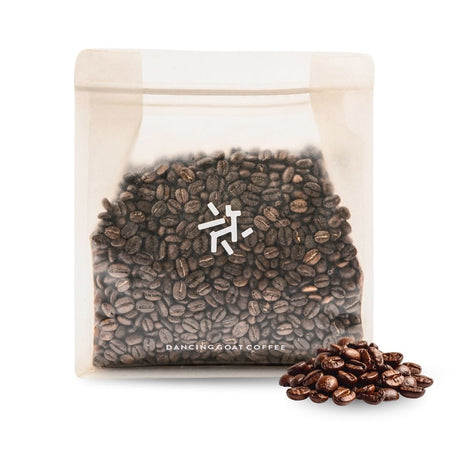


Great Coffee Starts with Great Beans
Every guide here only works if your coffee is fresh. Browse our full range of freshly roasted specialty coffee — delivered from our roastery in Egypt.